
404
We sincerely apologize.
The page you are looking for is no longer here.
Not to worry. You can head over to our homepage, read the Author Blog, or check out some our relocation tours:
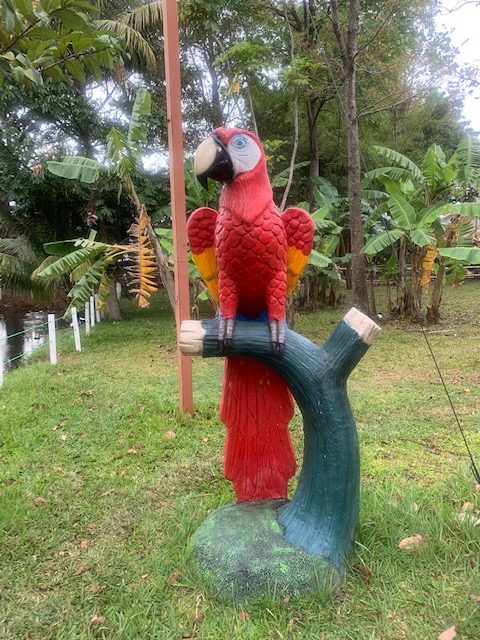
Check our most popular Relocation Tours, and Visit Us!
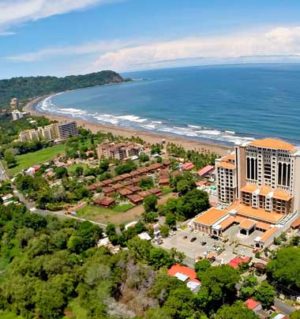
Combination Tour
The most complete Retirement Tour in Costa Rica. On this tour, future retirees will see just what they need to be able to decide on which is the best lifestyle for them – the beach or the Central Valley portion of the tour.
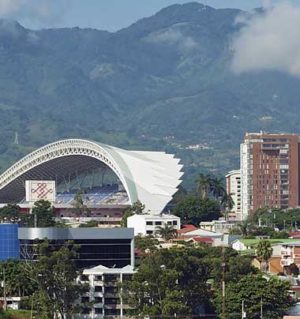
Central Valley Tour
Costa Rica’s #1 Retirement Tour for those who want to live in the area This tour thoroughly educates future retirees and Boomers about all of San Jose’s suburbs such as Escazu, Santa Ana, Alajuela, and Heredia.

Pacific Beach Tour
On this relocation Tour will familiarize you with the Dominical, Uvita, and Ojochal beach areas in the Southern Pacific to Jacó Beach in the Central Pacific. It is a MUST for those who want to live in a stunning setting.

Custom and Private Tours
These time-tested private relocation tours are given by Christopher Howard, and are designed for retirees, entrepreneurs, individuals or couples who have special needs.
Now available every month!